
Products
The Rich History of Drinking Shrubs: From Ancient Flavors to Modern Mixology
Oct
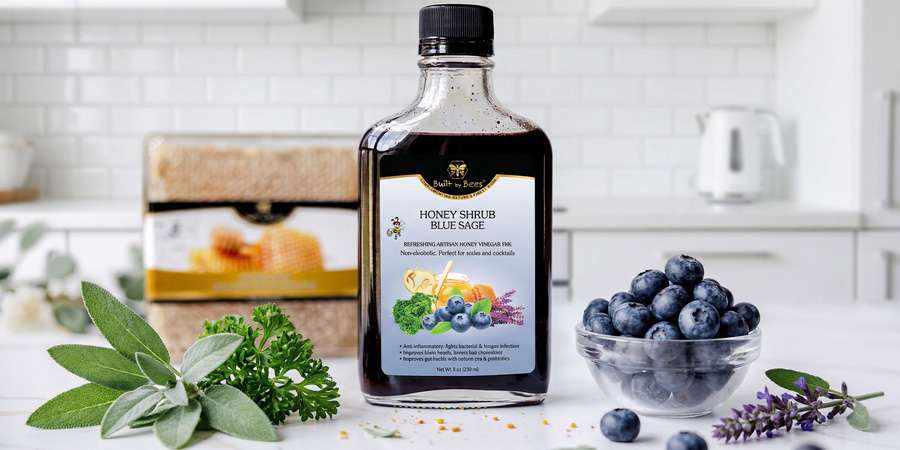
Drinking shrubs
Drinking shrubs, often called vinegar-based syrups
Ancient Beginnings: Preservation and Flavor
The story of shrubs is nearly as old as vinegar itself. Historical records show that vinegar was used in Babylon as early as 5000 BCE, valued for its ability to preserve food long before refrigeration existed. Ancient Egyptians, Romans, and Chinese all relied on vinegar not only for cleaning and medicine but also as a way to preserve fruits and vegetables.
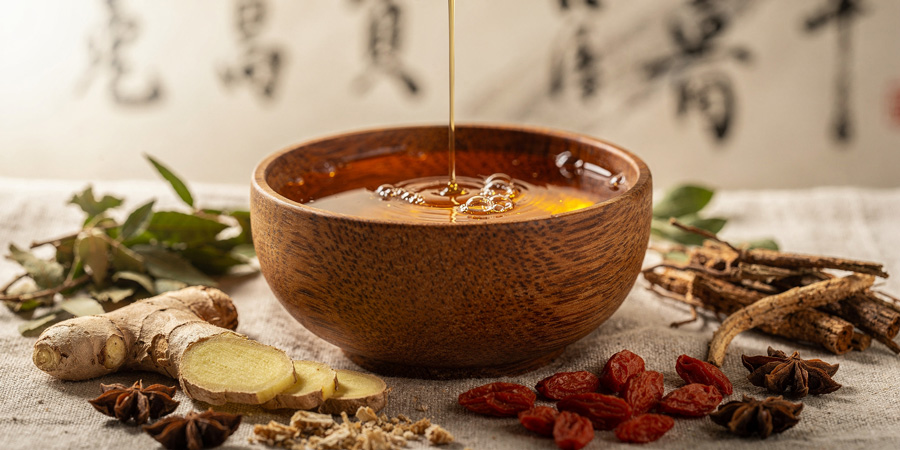
The Chinese even experimented with oxymel-like tonics made of honey and vinegar before Roman civilizations developed their own versions. These early infusions show that the combination of sweet and sour was recognized across cultures as both medicinal and flavorful. By steeping fruits and herbs in vinegar, people were able to enjoy the taste of seasonal harvests long after they were gone.
Colonial America and Jefferson’s Shrub Recipes
Families used shrubs in different ways: stirred into water for refreshment, mixed with rum or brandy for an evening drink, or drizzled over cakes and custards as a flavoring. They were especially valued as a source of vitamins at a time when diets could become limited during cold months.
A fascinating piece of history comes from Thomas Jefferson’s Monticello farm book
Shrubs in Food and Drinks: A Dual Role
Throughout history, shrubs have thrived because of their versatility:
- In Beverages: The tart acidity balances sweetness, making shrubs perfect for mixing into water, soda, or spirits. Today, bartenders prize shrubs for building complex cocktails that feature layers of fruit, herbs, and tangy vinegar. They also appeal to home mixologists who want to create sophisticated drinks without relying on alcohol.
- In Food: Shrubs also shine in the kitchen. A splash of fruit vinegar syrup elevates salad dressings, marinades, glazes for roasted meats, and even desserts. Their balance of sweet and sour makes them a chef’s secret weapon for depth of flavor.
The Modern Revival: Tradition Meets Wellness
The 21st century has seen a renaissance of artisanal food preservation, and shrubs fit perfectly into that movement. Food enthusiasts, chefs, and mixologists are drawn to their bold flavors and natural origins. At the same time, wellness-conscious consumers are embracing shrubs for their apple cider vinegar shrub benefits, such as aiding digestion, supporting gut health, and helping with blood sugar balance.
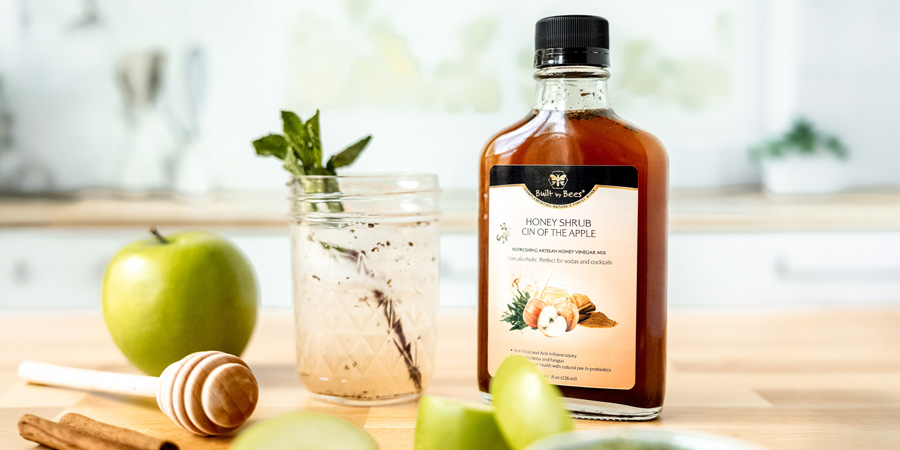
Today’s shrubs emphasize clean 精品人妻av区. Many are made with organic fruits, raw apple cider vinegar, and unrefined sweeteners. 精品人体艺术 takes a modern approach by using honey instead of cane sugar, creating a naturally balanced sweetness while supporting sustainability and pollinator health.
Trend Spotlight: Shrubs in Non-Alcoholic Drinks
Shrubs have also become a star in the booming non-alcoholic beverage market. According to 2025 Nielsen data, shrubs used in alcohol-free drinks have grown by more than 30 percent. This rise reflects the growing interest in mocktails, functional beverages, and sober-curious lifestyles.
Non-alcoholic bars and restaurants often feature shrub-based drinks because they deliver complexity and satisfaction without spirits. For wellness-focused consumers, they also provide probiotics and nutrients thanks to the raw apple cider vinegar and fruit.
Honey Shrub Recipe: Apple Cider Sparkler
Want to try shrubs at home? Here is an easy and refreshing recipe you can make in minutes:
Apple Cider Honey Shrub Sparkler
2 tbsp honey-based apple cider vinegar shrub - 6 oz sparkling water
- Ice
- Apple slice or lemon wedge for garnish
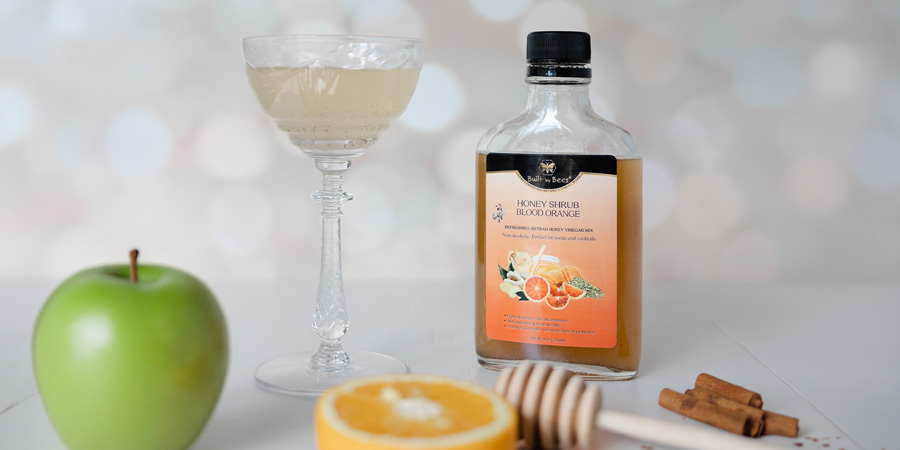
Pour the shrub over ice, add sparkling water, stir gently, and garnish with fruit. The result is a bubbly, tangy, lightly sweet beverage that highlights the flavor and health benefits of honey shrub recipes. It works equally well as a standalone mocktail or as a base for creative cocktail variations.
A Flavorful Legacy That Endures
From the vinegar tonics of ancient Babylon to Jefferson’s notes at Monticello to modern mixology menus, drinking shrubs represent centuries of ingenuity and appreciation for bold flavors. Their survival across so many eras proves their lasting value as both a practical preservative and a culinary delight.
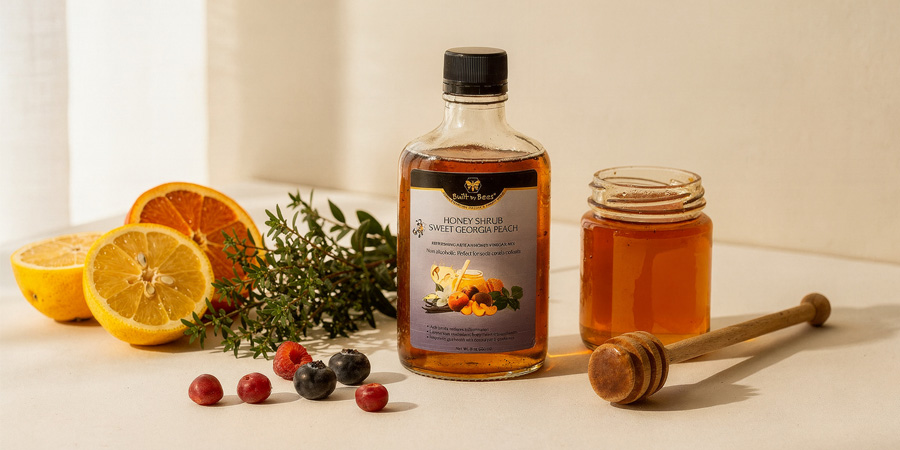
Today, shrubs are more than a nod to the past. They embody a meeting point of history, flavor, and wellness. Whether you sip one as a refreshing mocktail, mix it into a cocktail, or drizzle it into a vinaigrette, shrubs deliver a taste of history with every drop.
Their story is one of resilience and reinvention, and in 2025, they remain as relevant as ever—bridging the gap between ancient tradition and modern health-conscious living.

